Sewing Kit Components: Key Sewing Kit Elements for Each Craft Aficionado
A well-stocked collection of sewing supplies is fundamental for any DIY enthusiast. It combines functionality with the potential for creativity. Essential tools, from scissors to various threads, form the backbone of a effective collection. However, the organization and maintenance of these materials often determine their effectiveness. Understanding how to select and maintain a collection of sewing supplies can greatly enhance the sewing experience. The following sections will examine these vital aspects in depth.
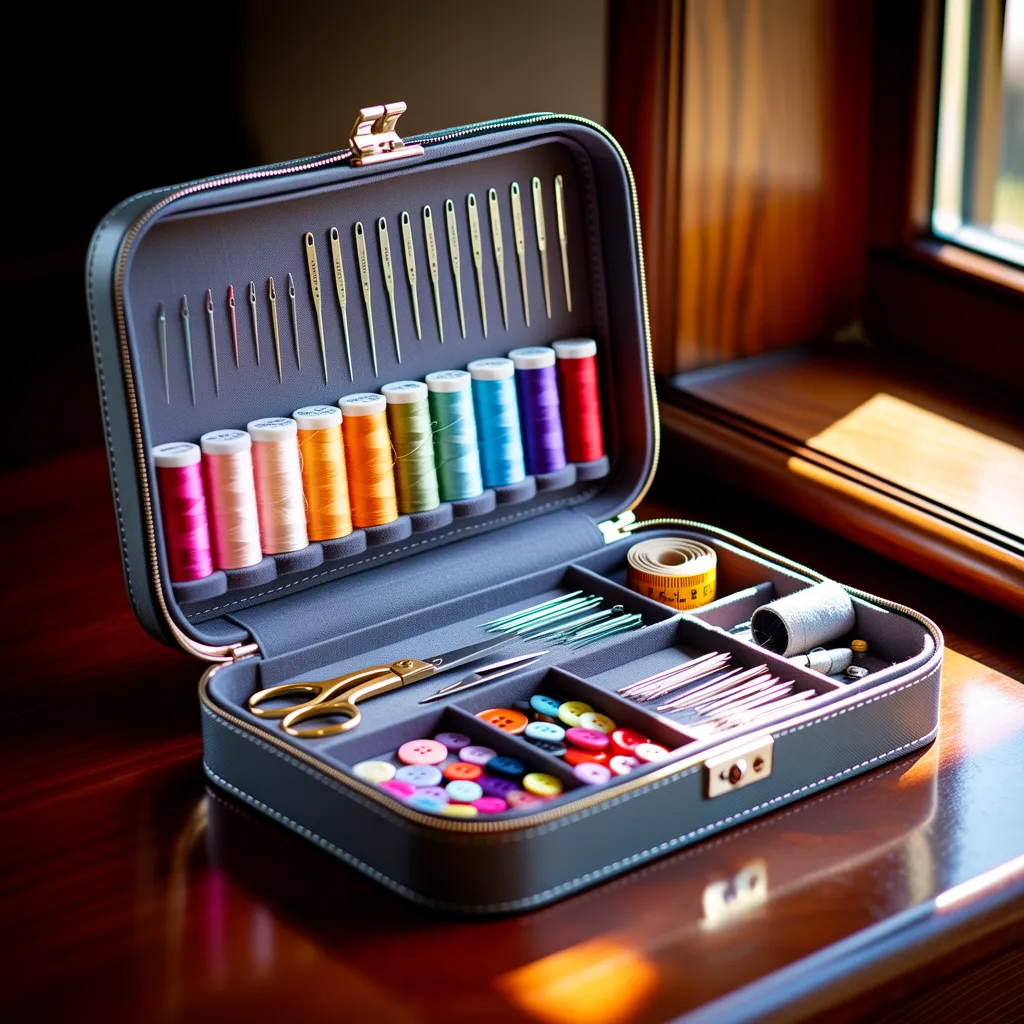
Why a Well-Stocked Sewing Kit Is Important
A well-stocked sewing kit exemplifies the hallmark of readiness and creativity. For all skill levels of sewists, maintaining a thorough assortment of materials is essential. This preparedness allows for spontaneous creations and the ability to tackle mending without delay. A diverse array of materials inspires creativity, making it possible for individuals to experiment with various techniques and styles.
Additionally, a complete sewing kit can preserve time and money. By keeping necessary items readily available, one can sidestep last-minute store visits, which frequently result in impulse purchases. It also decreases the frustration of stopped projects due to missing tools or materials.
Ultimately, a thoughtfully assembled stitching collection serves as a base for both practical mending and artistic expression. It not only improves the sewing experience but also fosters self-assurance in addressing new challenges, rendering it a crucial tool for anyone engaged in the craft.
Important Tools in Each Needlework Kit
In the domain of sewing, acquiring the correct tools is crucial for attaining successful projects. Required instruments, a detailed review of fabrics, and a list of sewing materials form the basis of an effective sewing kit. Comprehending these parts guarantees that both beginner and seasoned sewers are well-equipped for any task.
Essential Stitching Equipment
While personal preferences may vary, certain tools are universally regarded as essential for any sewing kit. A dependable pair of fabric scissors is vital for clean cuts, while a rotary cutter improves precision for intricate designs. Measurement instruments, such as a tape measure and quilting ruler, are necessary for accurate fabric dimensions. Pins and clips enable secure fabric layering, ensuring neat stitching. For stitching tasks, a selection of hand sewing needles and machine needles is crucial, catering to various fabric types. Additionally, a seam ripper proves invaluable for correcting mistakes. Finally, a sturdy sewing machine, equipped with necessary presser feet, enhances any sewing project, making it a worthwhile investment for DIY enthusiasts. Together, these tools create a thorough and functional sewing kit.
Core Fabric Overview
Fabric essentials serve as the backbone of any sewing kit, supplying the necessary materials for successful projects. Key components include a range of fabric types, such as cotton for its versatility, linen for ventilation, and fleece for warmth. Each fabric fulfills different purposes, ensuring that DIY enthusiasts can address diverse tasks. Additionally, interfacing is vital for adding structure, while fabric remnants can be useful for small projects or patching. Pre-washing fabrics is encouraged to prevent shrinking and color bleeding, ensuring durable results. Understanding fabric weights is also important; lightweight fabrics are ideal for garments, while heavier options are suited for home decor. These essentials create a strong foundation for any sewing endeavor, improving creativity and functionality.
Needle work Materials Checklist
A fully equipped sewing kit includes necessary stitching accessories that enhance the crafting experience. Among these accessories, a selection of needles—such as hand-sewing needles and machine needles—are crucial for various fabrics and techniques. Threads in a variety of colors and weights provide flexibility in projects. Scissors, including fabric and thread snips, ensure accurate cuts. A measuring tape and ruler offer exact measurements, while pins and clips keep fabric layers securely positioned. Marking tools, like fabric chalk or pens, aid in accurate pattern placement. A seam ripper is essential for fixing errors, and a thimble shields fingers during hand-sewing. Collectively, these tools make up a comprehensive checklist, preparing DIY enthusiasts for successful sewing projects.
Required Sewing Kit Supplies and Notions
A core sewing kit encompasses a wide collection of supplies and elements that enable veteran and new stitchers. Primary elements include scissors of high quality for fabric, providing precise severance, and needles in an array appropriate for multiple fabrics and stitching approaches. Thread in multiple colors proves essential for contrasting with or matching your textiles, while a seam undoer is indispensable for undoing errors.
Measuring tools, such as a tape measure and a clear ruler, ensure accuracy when cutting and sewing. Pins and clips are required for holding fabric pieces together during assembly. Additionally, a fabric marker or chalk is beneficial for marking patterns without damaging the material.
Finally, a solid storage unit is vital to keep all supplies arranged and easily accessible. Together, these indispensable tools create a complete sewing set that meets the needs of any DIY enthusiast.
Proven Techniques for Managing Your Stitching Supplies
Effective organization of a sewing kit can greatly enhance the crafting experience for both beginners and seasoned sewists. To realize this, one effective strategy is sorting. Categorizing identical items—such as threads, needles, and scissors—into particular containers helps optimize the sewing process. Leveraging clear, labeled bins or pouches guarantees easy visibility and access.
A further technique is to maintain a checklist of essential items, which can benefit in inventory management. This practice prevents over-purchasing and warrants that vital supplies are always on hand. In addition, regular decluttering is important; purging outmoded or unused items keeps the kit efficient and functional.
In conclusion, creating a dedicated area allocated for sewing endeavors can markedly enhance order. A orderly, systematized space minimizes interruptions and strengthens focus, leading ultimately to a more gratifying sewing experience. By implementing these strategies, needleworkers can preserve an effective and well-structured sewing kit.
Maximizing Your Sewing Kit Tools Effectively
Effectively utilizing sewing kit tools requires an understanding of organization, technique, and upkeep. By structuring tools productively, individuals can boost their work process and lessen frustration. Additionally, developing basic stitch techniques and constantly caring for supplies ensures longevity and peak output in sewing projects.
Optimizing Your Tools Productively
Many tailors discover that efficiently organizing their tools can greatly enhance their crafting experience. A well-organized sewing kit not only helps save time but also reduces frustration. To accomplish this, classifying tools is vital; grouping scissors, pins, and threads can simplify the sewing process. Using small storage boxes or pouches helps keep items together and easy to reach. Labeling each section also helps with quick identification, ensuring that nothing gets misplaced during a project. Moreover, maintaining a clean workspace fosters better focus and creativity. Regularly reviewing and decluttering the kit helps sewists keep only the tools they need, improving their workflow. By implementing these organizational techniques, sewists can improve their crafting efficiency and enjoyment.
Learning Essential Needlework Techniques
Achieving proficiency in fundamental stitch techniques requires a comprehensive understanding of the tools within a sewing kit. Essential items like needles, thread, and scissors play crucial roles in achieving clean, professional results. A variety of needles, including universal and stretch, allows for versatility across different fabrics. Choosing the right thread type—cotton for quilting or polyester for durability—ensures a strong hold. Scissors, particularly fabric shears, are vital for precise cutting, while pinning tools help maintain fabric alignment. Each stitch technique, whether straight, zigzag, or decorative, benefits from consistent tension and careful handling of the material. Understanding these tools and their applications enables DIY enthusiasts to execute techniques effectively, leading to improved sewing projects and greater confidence in their skills.
Maintaining Your Sewing Supplies
Maintaining needlework tools is important to guarantee their durability and optimal performance. Proper maintenance involves regular cleaning of tools, like scissors and rotary cutters, to prevent rust and dullness. Keeping a sewing machine properly oiled and lint-free enhances its efficiency and extends its lifespan. Storing supplies in a dedicated space prevents damage and allows easy access. Checking threads frequently for tangles and making sure needles are sharp significantly boost sewing quality. Moreover, applying the right tools for each task minimizes wear and tear. By following these guidelines, DIY enthusiasts can care for their sewing supplies efficiently, promoting smoother projects and consistent results.
Steps for tending to and revitalizing Your Sewing Kit
Preserving and refreshing a sewing kit confirms that it acts as a steadfast asset for crafters. Regular stock assessments are essential; this activity requires evaluating the condition of tools, threads, and fabrics. Eliminating any damaged or faulty items supports operational effectiveness. Moreover, artisans should replenish heavily used supplies, like needles and threads, verifying they keep pace with current projects.
Arranging the kit holds equal significance. Organizing matching components, such as buttons, zippers, and scissors, streamlines access and boosts workflow. It may also be useful to modify the set for particular projects, adding unique fabrics or specialty tools as necessary.
Finally, being aware of innovative sewing techniques and tools can motivate enhancements. Subscribing to sewing blogs or joining nearby craft communities facilitates the recognition of fresh supplies, improving the general stitching practice. Regular maintenance and thoughtful updates guarantee a sewing kit remains an indispensable resource for any hands-on creator.
Popular Questions Posed Regularly
What Size Sewing Kit Works Best for Novices?
A modest to medium-sized needlework set is perfect for those new to the craft, supplying necessary consult now implements such as needles, fiber, cutting tools, and ruler tape. This appropriate scale supplies plenty of materials without discouraging newcomers, supporting a favorable experience to needlework.
Is It Possible to Build My Own Needlework Set From Ground Zero?
Yes, a person can build a personalized sewing kit from the ground up. By picking fundamental items and resources designed for unique needs, they can assure their kit remains both useful and adapted to their work.
How Often Should I Replace Sewing Tools?
Sewing tools should usually be swapped every couple of years, depending on usage and wear. Regularly inspecting items like cutters, stitching needles, and thread assures maximum performance, enhancing the overall crafting experience for hobbyists and experts alike.
Do Green Needlework Kit Options Exist?
Yes, eco-friendly fabric kit options are offered. These kits often feature sustainable materials, organic fabrics, and naturally degradable equipment, championing environmentally conscious practices. DIY enthusiasts can identify options that reflect their commitment to sustainability.
How Do I Choose the Right Fabric for My Endeavors?
To determine the ideal fabric, one must consider the project's purpose, preferred feel, drape, and longevity. Additionally, understanding fabric care requirements and verifying compatibility with the sewing techniques planned will improve the final outcome.